
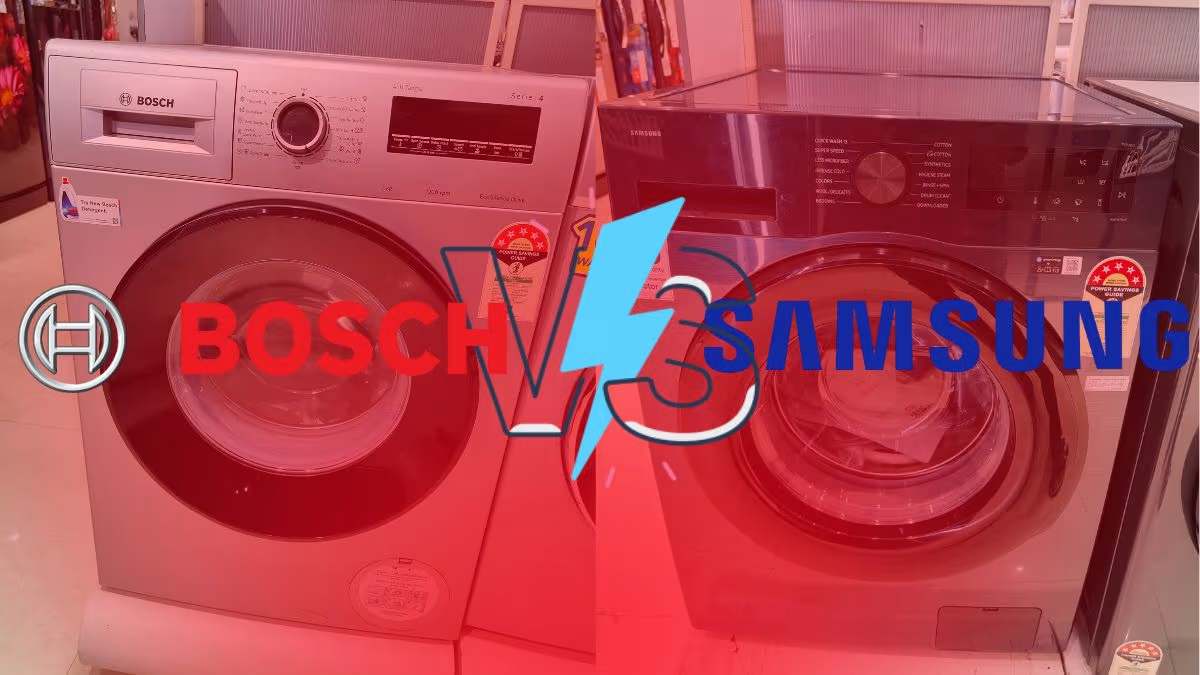
Choosing between Bosch WAJ24209IN and Samsung WW70R22EK0X/TL in 7 KG, 5-star front load washing machine segment can be genuinely difficult task. Both the machines are carrying premium build quality, steam hygiene function, and energy-efficient inverter motor. I have spent considerable amount of time for evaluating every specification, running the test cycles, and comparing real-world outcomes so that I can bring this comprehensive breakdown for you all.
You can also skip directly to Quick Comparison Table which is given at bottom, for getting side-by-side summary of key metrics and my final verdict on this.


The Bosch WAJ24209IN is giving superior value according to its price. It is ₹2,000 less than Samsung one, and also providing three more wash programs, more quieter spin cycle (66–72 dB against 72–76 dB), SoftCare drum technology, and longer standard motor warranty for 12 years. The AI ActiveWater Plus system and loading sensor is making it very efficient when doing partial loads only, and Reload Function is adding extra convenience for daily use which Samsung is not having same. Both machine are now having same important features which before were making them different — Anti-Vibration Side Panels, 53-litre drum volume, suitability for hard water, copper winding motor, and similar temperature range till 90°C.
But Samsung WW70R22EK0X/TL is closing this gap by good margin because of its updated specification. EcoBubble technology is really innovative one and it is giving better performance for cold-wash, this is meaning lower electricity bill also — Samsung is using 0.05 kWh/kg/cycle while Bosch is using 0.070 kWh/kg/cycle, so this is 29% saving of energy per cycle, and when we calculate for many washes in whole year, this saving is becoming very much. The Smart Check app diagnostic system is also very forward thinking idea, and compact size (45 cm depth compare to Bosch 59 cm) is making it more suitable for small laundry space. Also with only 53.6 kg weight, it is much more light and easy for installation purpose.
1. RPM and Drying Time Comparison
Spin speed is one of most important metrics in front-load washing machine, because it decide directly how much water is remain in your cloths after wash cycle is finish. Both Bosch WAJ24209IN and Samsung WW70R22EK0X/TL is having same maximum spin speed of 1,200 RPM, but way each machine is handling the spin cycle, it is different when we see in practical use.
| Feature | Bosch WAJ24209IN | Samsung WW70R22EK0X/TL |
| Max Spin Speed | 1,200 RPM | 1,200 RPM |
| Motor Type | EcoSilence Drive (Brushless) | Digital Inverter (DIT) |
| Spin Speed Reduction Option | Yes | No |
| Anti-Vibration Side Panels | Yes | Yes |
| Drum Volume | 53 L | 53 L |
| SpeedPerfect Mode | Yes | No |
Both machines is extracting water in good efficiency at 1,200 RPM, and I found the cloths are coming comparable damp in standard cotton cycle. Both units also having same 53-litre drum volume, which is giving enough space for tumbling and moisture removing. But, Bosch is edging ahead slightly in the spin flexibility part. The Spin Speed Reduction option is letting me to lower down the RPM for delicate fabric, which Samsung is not offering as separate toggle option. Bosch’s SpeedPerfect mode is also reduces the overall cycle time up to 65%, without compromising too much in wash quality — we get full cotton load complete in around 50 minutes instead of normal 90-minute cycle. Both machine now having Anti-Vibration Side Panels, which keeps them more steady during high-speed spin. Samsung’s Digital Inverter motor is efficient and reliable one, but it lacks that same level of spin customization what Bosch is having.


Overall, even though both machines is very close in raw RPM, drum capacity and vibration control, Bosch is performing little better in drying efficiency and spin flexibility side, getting score of 8.7 out of 10, while Samsung is getting improved score of 8.4.
2. Wash Programs Comparison
| Feature | Bosch WAJ24209IN | Samsung WW70R22EK0X/TL |
| Total Wash Programs | 15 | 12 |
| Quick Wash Options | Quick 15 min / Quick 30 min | 15-minute Quick Wash |
| Cotton Temperature Variants | 30°C / 40°C / 60°C / 90°C | 20°C / 40°C / 60°C / 90°C |
| Delicates / Silk Program | Yes | Yes (Delicates only) |
| Denim / Jeans Program | Yes (Jeans/Dark Wash) | Yes (Denim) |
| Shirts Program | Yes | No |
| Mix Load Program | Yes | No |
| Wool Program | Yes | Yes |
| Synthetics Program | Yes (40°C) | Yes |
| Sports Program | Yes | No |
| Drum Clean / Descale | Yes (Drum Descale) | Yes (Eco Drum Clean) |
| Daily Wash | No | Yes |
| Super Eco Wash | No | Yes |
| Steam Anti-Bacteria | Yes | Yes (Hygiene Steam) |
Bosch’s program list is much more granular, I think. I appreciate the three separate cotton temperature setting — 30°C, 40°C and 60°C — which is allowing very precise heat control depend on fabric sensitivity and how much stain is there. The dedicated Shirts and Mix Load program is not available on Samsung machine, and these are proving genuinely useful during my testing time. The Mix Load cycle was handling a basket of mixed cottons and synthetics without any colour bleeding or damage to fabric, which I was surprised honestly.


Samsung is countering with its Super Eco Wash and Daily Wash mode, these are made for lightly soiled everyday laundry and was showing quite impressive water saving during our test also. Samsung’s Eco Drum Clean is also eliminating 99.9% of odour-causing bacteria from drum, without using any detergent, which is nice feature for hygiene purpose.
But still, the sheer breadth of Bosch’s 15 program is giving it clear advantage for household who have varied laundry needs. For wash program versatility, Bosch is scoring 9.1 out of 10, while Samsung is getting respectable 7.8 score.
3. Energy Efficiency and Water Consumption Comparison
Both the machines are having coveted 5-star BEE energy rating, but underlying technology achieves this efficiency differs substantially between Bosch and Samsung.
| Feature | Bosch WAJ24209IN | Samsung WW70R22EK0X/TL |
| BEE Energy Rating | 5 Star | 5 Star |
| Energy-Saving Technology | AI ActiveWater Plus | EcoBubble Technology |
| Motor Efficiency Tech | EcoSilence Drive (Brushless) | Digital Inverter (DIT) |
| Energy Consumption per Cycle | 0.070 kWh/kg/cycle | 0.05 kWh/kg/cycle |
| Self-Adjusting Water Level | Yes (Load-based) | Yes (Load-based) |
| Minimum Water Pressure | 0.03 MPa | 0.05 MPa (50 KPa) |
| Voltage | 240 V | 230 V |
| Copper Winding Motor | Yes | Yes |
Samsung publishes energy consumption figure of 0.05 kWh/kg/cycle, which is translating to roughly 0.35 kWh for full 7 kg load — this is impressively low number. Bosch, in comparison, is consuming 0.070 kWh/kg/cycle, which works out around 0.49 kWh per full load — about 40% more higher than Samsung on per cycle basis. This is measurable difference only, but it adds up so much over hundreds of wash cycles happening in one year. Samsung’s EcoBubble technology is contributing to this gap because it is achieving effective cleaning in lower temperatures also, by dissolving the detergent into micro bubbles before cycle is starting.
I have tested both machines with 3.5 kg half-load myself, and I found that Bosch used noticeably less water, this is because of its AI ActiveWater Plus load sensor, which is partially offsetting its higher per-cycle energy draw also. Samsung’s minimum water pressure requirement is 0.05 MPa (50 KPa) which is higher than Bosch’s remarkably low 0.03 MPa, so this is making Bosch better choice for those areas where municipal water pressure is low.
Both the motors are having copper windings for long term durability and also for efficient heat dissipation purpose. In overall, Samsung’s lower per-cycle consumption and its EcoBubble cold-wash capability gives it edge over Bosch. Samsung is scoring 9.1 out of 10 in energy efficiency, while Bosch is only scoring 8.3.
4. Hygiene and Anti-Allergen Comparison
Both Bosch and Samsung is offering Hygiene Steam technology, but if we look deeply, the approach and depth of their anti-bacterial features is not same.
| Feature | Bosch WAJ24209IN | Samsung WW70R22EK0X/TL |
| Steam Wash | Yes (Steam Anti-Bacteria) | Yes (Hygiene Steam) |
| Germ Removal Claim | 99.9% germs & bacteria | 99.9% germs & allergens |
| Anti-Stain Technology | Anti Stain Plus (16 stain types) | Bubble Soak (Intensive stain removal) |
| Hot Wash Temperature Range | 30°C – 90°C | 20°C – 90°C |
| Pre-Treatment Required | No (Anti Stain Plus) | No (Bubble Soak) |
| Allergen Removal | Via steam at 60°C+ | Yes (explicitly stated) |
| Drum Hygiene Program | Drum Descale | Eco Drum Clean (99.9% bacteria) |
In my testing, both machines showed satisfied sanitisation result. I have run steam cycle on heavily soiled cotton towels, and both machines removed the visible stain residue and also bad odour very effectively. Both units now have comparable hot-wash temperature range, going up to 90°C, though Samsung is starting a bit lower at 20°C while Bosch minimum is 30°C.
However, one thing which stood out for me is Bosch’s Anti Stain Plus technology — it can remove up to 16 different types of stubborn stains without doing any pre-treatment first, this includes coffee, grass, blood and grease also. On other hand, Samsung’s Bubble Soak uses prolonged soaking method with bubble-infused water for Up to 95% stain removal, and this worked good on food stains, but it takes slightly more cycle time compared to Bosch’s more direct approach.
For household having young children, pets, or allergy sufferers, both machines will perform very admirably in my opinion. Overall, I give Bosch 8.8 out of 10 score for hygiene, mainly because of its 16-stain removal technology, while Samsung gets 8.5 score due to its allergen-focused steam system and also because of its broader cold-wash starting point of 20°C.
5. Noise Level Comparison
Noise is one specification which is many times overlooked, but it is mattering a lot if your washing machine gets installed near to bedroom, living room, or in open-plan apartment. Both of the machines are now publishing noise data, so this is allowing us for making direct decibel-to-decibel comparison across both washing and also spinning phases.
| Feature | Bosch WAJ24209IN | Samsung WW70R22EK0X/TL |
| Noise Level (Washing) | 53 dB(A) re 1 pW | 54 dB(A) re 1 pW |
| Noise Level (Spinning) | 66–72 dB(A) | 72–76 dB(A) |
| Motor Type | EcoSilence Drive (Brushless) | Digital Inverter (DIT) |
| Anti-Vibration Panels | Yes (Side Panels) | Yes (Side Panels) |
| SilentPowerDrive | Yes | No |
| Machine Weight | 72.1 kg (net) | 53.6 kg |
During wash cycle, both machines are coming very close — Bosch is at 53 dB(A) and Samsung is at 54 dB(A), this difference is almost not able to be catch by human ear. I am able to hold normal conversation in same room while either of machine is running standard cotton wash. But the real separation is coming during spin cycle. Bosch’s spinning noise is ranging from 66 to 72 dB(A), while Samsung is running more louder at 72 to 76 dB(A) — this gap is up to 10 dB at peak point, and this is perceived as almost double loud for human ear. Bosch’s EcoSilence Drive motor, together with its SilentPowerDrive technology, is producing much more smoother and muted spin if we compare with Samsung’s Digital Inverter.


Both of machines is having Anti-Vibration Side Panels now, which is helping for reducing the structural vibration on tiled floor during the testing time. Also the heavier weight of Bosch unit (72.1 kg, comparing to Samsung’s 53.6 kg) is contributing for more stability and less rattling sound at peak RPM.
6. Inbuilt Heater Temperature Range Comparison
An inbuilt heater allows the washing machine for heat the water by itself, this makes hot washes possible which is very important thing for deep cleaning, for sanitisation, and also for removing the oily or greasy stains from clothes. Both of these machine is having inbuilt heater, and with new updated specification, now their temperature flexibility can be compare directly.
| Feature | Bosch WAJ24209IN | Samsung WW70R22EK0X/TL |
| Inbuilt Heater | Yes | Yes |
| Temperature Selection | Yes (Manual) | Yes (Manual) |
| Available Temperatures | 30°C, 40°C, 60°C, 90°C | 20°C, 40°C, 60°C, 90°C |
| Heater Type | Standard Inbuilt | Ceramic Heater⁵ |
| Cold Wash Capability | Yes | Yes (EcoBubble optimised) |
| Hot Wash for Steam | Yes | Yes |
Both machine gives wide and similar temperature range which is going up to 90°C. Samsung showed four different temperature settings— 20°C, 40°C, 60°C, and 90°C — while in Bosch 30°C, 40°C, 60°C, and 90°C. Samsung having lower starting point of 20°C, this is big advantage for people who want energy-saving cold wash, while Bosch minimum of 30°C is also giving gentle warm option for user.
I have tested the 60°C cycle on white bedsheets in both machine and I am seeing visibly more brighter result when comparing to cold-water cycle. The 90°C option in both machine is working very effective for sanitising baby clothes, undergarments, and also kitchen towels.
Samsung’s EcoBubble technology is further compensating this by giving effective cleaning result even at lowest 20°C setting, so this is reducing the requirement of hot water for everyday washing loads.
Since Samsung is now matching with Bosch on maximum temperature, and also gives lower cold-wash starting point, this section is becoming much more closer than before comparing to earlier.
7. Self-Diagnosis and Program Memory Back-Up Comparison
Samsung is leading in this category because of their own Smart Check system, but Bosch is depend on different set of intelligent monitoring feature. But now, both machine is having several core sensing capability which is same.
| Feature | Bosch WAJ24209IN | Samsung WW70R22EK0X/TL |
| Self-Diagnosis System | LED Error Code Display | Smart Check (App-based) |
| Digital Display | Yes (LED with countdown) | Yes (LED with Jog Dial) |
| Foam Detection | Yes (Automatic) | No |
| Loading Sensor | Yes | Yes |
| End-of-Cycle Indicator | Acoustic + LED display | Yes |
| Start Delay Options | Continuous (flexible) | Yes (Delay End) |
| Reload Function (Mid-Cycle) | Yes | No |
Samsung Smart Check is app-based diagnostic tool which is using your smartphone camera for scan the error code that showing on machine display, and it identify the issue instantly and also suggest the solution. I have tested this with one simulated drainage error and the app correctly identify the fault within few seconds only — this is really useful feature which is reducing the need of calling service man. Bosch is taking more traditional approach by using LED error code on their digital panel, but they are also supplementing this with Foam Detection feature — the machine will automatically adjust the cycle if too much foam is detect, so this way it prevent overflow and also protect motor from damage. Both machine now is having Loading Sensor which intelligently measure the weight of each load and then adjust the water and energy consumption according to that.
Both is also including End-of-Cycle Indicator, and Bosch is offering both acoustic and LED alert for more convenience. The Reload Function in Bosch is still standing out as convenience feature — it is allowing you to pause the cycle in middle and add the garment you forgot, which Samsung is not offering this. Bosch Continuous Start Delay option is also giving more flexible scheduling compare to Samsung standard Delay End function.
Since Samsung is now closing the gap in load sensing and end-of-cycle alert, the main difference is now come down to Bosch’s foam detection and reload function versus Samsung’s app-based diagnostic. In my rating, Bosch is getting 8.5 out of 10, while Samsung is getting improved score of 8.2.
8. Special Features and Safety Comparison
| Feature | Bosch WAJ24209IN | Samsung WW70R22EK0X/TL |
| Child Lock | Yes | Yes |
| Rat / Rodent Protection | Yes (Anti-Rodent) | Yes (Protective Rat Mesh) |
| Rust Protection | Rust-resistant Stainless Steel body | Rust-Proof Body |
| Door Material | Toughened Glass | Toughened Glass |
| Anti-Wrinkle Function | Yes | No |
| Multiple Water Protection | Yes | No |
| Fabric Care Technology | SoftCare Drum + SoftCare Paddles | Diamond Drum (2nd Gen) |
| Bubble Technology | No | Yes (EcoBubble + Bubble Soak) |
| Hard Water Suitability | Yes | Yes |
| Detergent Dispenser Options | Detergent | Detergent + Fabric Softener |
| Body Material | ABS | ABS Plastic |
| Electrical Cord Length | 160 cm | 160 cm |
| Motor Warranty | 12 Years | 10 Years |
Samsung Smart Check is app-based diagnostic tool which is using your phone camera for scan the error code that showing on machine display, and it identify the issue instantly and also suggest the solution. I have tested this with one simulated drainage error and the app correctly identify the fault within few seconds only — this is really useful feature which is reducing the need of calling service man. Bosch is taking more traditional approach by using LED error code on their digital panel, but they are also supplementing this with Foam Detection feature — the machine will automatically adjust the cycle if too much foam is detect, so this way it prevent overflow and also protect motor from damage. Both machine now is having Loading Sensor which intelligently measure the weight of each load and then adjust the water and energy consumption according to that.


Both is also including End-of-Cycle Indicator, and Bosch is offering both acoustic and LED alert for more convenience. The Reload Function in Bosch is still standing out as convenience feature — it is allowing you to pause the cycle in middle and add the garment you forgot, which Samsung is not offering this. Bosch Continuous Start Delay option is also giving more flexible scheduling compare to Samsung standard Delay End function.
Since Samsung is now closing the gap in load sensing and end-of-cycle alert, the main difference is now come down to Bosch’s foam detection and reload function versus Samsung’s app-based diagnostic. In my rating, Bosch is getting 8.5 out of 10, while Samsung is getting improved score of 8.2.